

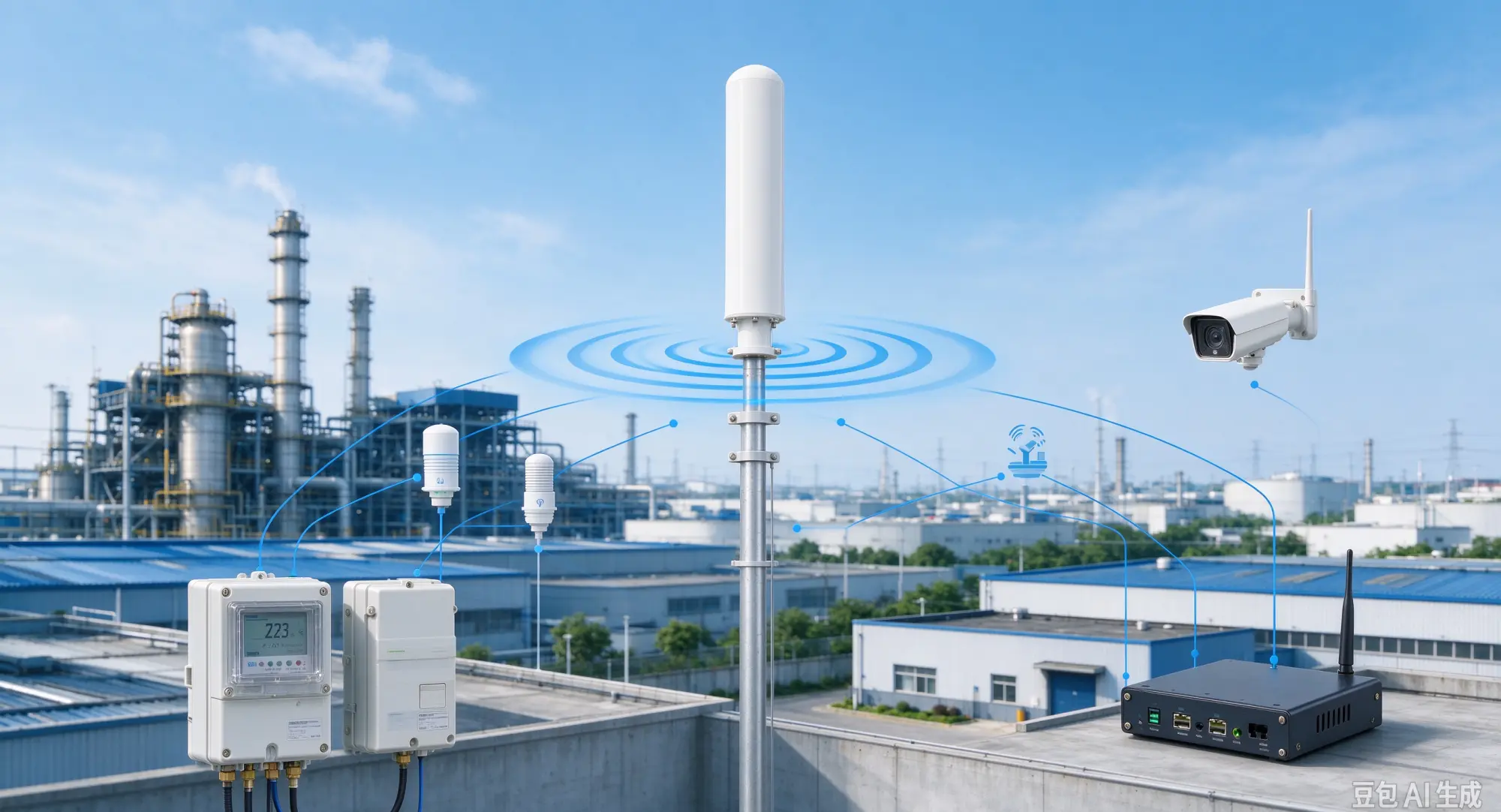
Fiberglass Omni Antenna: Key Advantages, Application Scenarios and Selection Guide for Communication Infrastructure
Modern communication infrastructure requires stable, wide-range, and weather-resistant signal coverage to support 4G/5G cellular networks, industrial IoT, smart cities, and rural broadband systems. As a core wireless device, the fiberglass omni antenna has become a preferred solution for system integrators and telecom contractors. It combines 360° omnidirectional signal radiation, ultra-durable fiberglass material, and multi-band compatibility to significantly improve network stability and coverage efficiency. This article explains its core strengths, typical application scenarios, and how to select it for different projects.
Unique Advantages of Fiberglass Omni Antennas
Unlike traditional plastic or metal antennas, fiberglass omni models are built for long-term outdoor and industrial deployment. First, they deliver uniform 360° horizontal coverage, ensuring no signal blind spots for scattered mobile devices and wireless terminals. Second, the high-strength fiberglass shell provides outstanding UV resistance, waterproof performance, and corrosion resistance, resisting harsh weather such as strong wind, heavy rain, salt fog, and high temperatures. It will not deform or fade after years of outdoor operation.
In addition, fiberglass material features low signal interference and high RF penetration, maintaining stable gain and consistent radiation efficiency. Its lightweight and streamlined structure also simplifies installation, reduces wind load, and lowers maintenance costs for communication towers and pole-mounted base stations.
Key Application Scenarios
1. Telecom Base Station and Rural Broadband Coverage
Fiberglass omni antennas are widely used for suburban and rural wireless coverage. They provide balanced 360° signal distribution for small cell base stations, effectively filling network gaps in low-density areas. Compared with directional antennas, they cover wider community ranges and support multi-user mobile access without precise angle alignment.
2. Industrial IoT and Smart Monitoring Systems
For industrial parks, smart agriculture, and remote monitoring projects, countless IoT sensors and LoRa terminals are distributed randomly. Fiberglass omni antennas ensure continuous and reliable data transmission in all directions, supporting long-term stable operation of smart device networks.
3. Marine, Coastal and Harsh Environment Communication
Thanks to salt-fog corrosion resistance and fully waterproof design, these antennas excel in marine and coastal infrastructure. They maintain consistent signal performance in humid and high-salinity environments where ordinary antennas quickly age and fail.
4. Campus, Park and Urban Public Wireless Coverage
In large public areas with complex pedestrian movement, fiberglass omni antennas deliver seamless Wi-Fi and cellular coverage, avoiding signal interruption caused by user position changes.
How to Choose the Right Fiberglass Omni Antenna
Choose a fiberglass omni antenna if your project requireswide-area coverage, multi-directional user access, and long-term outdoor operation. It is the ideal choice for dispersed terminal scenarios. If you need ultra-long-distance point-to-point transmission, directional Yagi antennas are more suitable. For most public networks, industrial IoT, and rural telecom projects, fiberglass omni antennas offer the best balance of performance, durability, and cost.
Conclusion
Fiberglass omni antennas greatly enhance modern communication infrastructure by providing full-angle stable coverage, extreme weather durability, and universal multi-band adaptability. They reduce network failure rates, lower operational costs, and improve overall wireless system performance. If you need standard fiberglass omni antennas or customized antenna solutions for your communication projects, feel free to contact sales@weibonuo.com for professional technical support and tailored services.